
My first thoughts this was a potential cyberattack or ransomware incident. However, now we know the root cause was identified as a critical failure in CrowdStrike Falcon’s antivirus software. Like most traditional antivirus solutions, CrowdStrike Falcon integrates deeply with the core operating system, with its driver initialising before many sequential boot-time programs. A remote over-the-air (OTA) update caused widespread OS failures, rendering remote fixes impossible due to the inability to boot affected systems.

The only viable solution is to manually boot into safe mode and delete the corrupted files. This process is further complicated for systems using BitLocker, Windows’ built-in encryption feature, as it adds an extra layer of complexity to accessing the system in a non-standard boot scenario. The severity of this incident is underscored by the nature of the driver update error: the file distributed through CrowdStrike’s automated build systems contained only zeros, a major oversight in quality control. It’s worth noting that Mac and Linux systems remained unaffected due to fundamental differences in their kernel architectures compared to Windows.
In this case, a single corrupted update to an antivirus program – software designed to protect systems – instead rendered numerous computers inoperable. This demonstrates how even security software, if corrupted or malfunctioning, can become a significant liability.

The widespread nature of this issue highlights several key dangers:
- Single points of failure: When many systems rely on the same software, a problem with that software can have far-reaching consequences.
- Complexity of modern systems: The deep integration of CrowdStrike into the operating system, while beneficial for security, made the problem much harder to resolve.
- Difficulty of remote remediation: In an age where we often expect to be able to fix issues remotely, this incident shows how some problems still require physical access to affected systems.
- Automated systems without adequate safeguards: The fact that a file containing all zeros was distributed through automated build systems points to potential weaknesses in quality control processes for critical software updates.
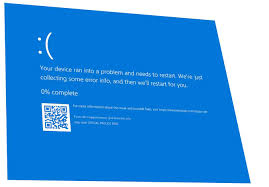
This incident serves as a stark reminder of the need for robust testing, fail-safes, and recovery plans in software development and deployment, especially for programs that operate at such a fundamental level of our computing systems. The gravity of the situation is amplified by the fact that many affected systems received this update automatically over-the-air, leaving users suddenly confronted with devices that simply failed to start, with no apparent cause or warning.
As our reliance on software continues to grow, so too does the importance of addressing these potential points of failure to ensure the stability and security of our digital infrastructure.
 Association of Iraqi Academics - UK